
Wedding planning comes with dozens of decisions, including who will help manage them. Two roles couples frequently compare are a day-of coordinator and a full-service wedding planner. Although both professionals help create an organized celebration, their responsibilities, timelines, and level of involvement are very different. Understanding those differences can help you choose the right support for your wedding, budget, and planning style.
Understanding what each professional handles, what they may not handle, and when they become involved can help you avoid gaps in your wedding plans. It can also prevent you from paying for services that overlap with support already provided by your venue.
Choosing the Right Level of Wedding Planning Support
The right planning professional does more than keep a schedule. They communicate with vendors, anticipate logistical challenges, and help your wedding vision take shape. The main question is how much help you need before the celebration begins.
What Does a Day-of Coordinator Do?
A day-of coordinator focuses primarily on the final stages of planning and the execution of the wedding day. Despite the title, most coordinators begin working with a couple before the actual event. They need time to learn the plans, understand vendor responsibilities, review the timeline, and identify any missing details.
A day-of coordinator may confirm arrival times with vendors, create or refine the wedding-day schedule, lead the rehearsal, cue the wedding party, and oversee transitions between the ceremony, cocktail hour, dinner, and reception.
During the event, the coordinator becomes the main contact for vendors and members of the wedding party. When the florist needs access, the photographer has a timeline question, or the ceremony is ready to begin, the coordinator helps keep everyone informed.
This option usually works well for couples who enjoy planning and have already selected their vendors, designed the event, reviewed their contracts, and made most major decisions. The coordinator steps in to organize those decisions and carry them out.
What Does a Full-Service Wedding Planner Do?
A full-service wedding planner becomes involved much earlier. The planner may begin working with a couple before the venue or wedding date has even been selected.
Full-service planners can assist with budgeting, venue research, vendor recommendations, contract reviews, design development, guest logistics, transportation, accommodations, timelines, and communication. They help connect every part of the celebration rather than focusing only on the final weeks.
This level of support can be especially valuable for couples planning a destination wedding or a full wedding weekend. Events such as a rehearsal dinner, welcome gathering, ceremony, reception, brunch, and overnight accommodations create several connected timelines. A full-service planner can make sure those events feel like one well-organized experience.
A planner can also help couples make decisions more efficiently. Instead of researching every florist, photographer, rental company, and entertainment option independently, the couple receives recommendations based on their priorities, style, location, and budget.

How Is a Venue Coordinator Different?
A venue coordinator represents the venue and manages the parts of the event connected to that property. Their work may include room layouts, venue access, in-house catering, ceremony setup, parking, property rules, and communication with the venue’s staff.
A personal wedding planner or day-of coordinator represents the couple. That professional may oversee outside vendors, personal decor, wedding-party transportation, photography timing, attire, invitations, and other details that extend beyond the venue’s responsibilities.
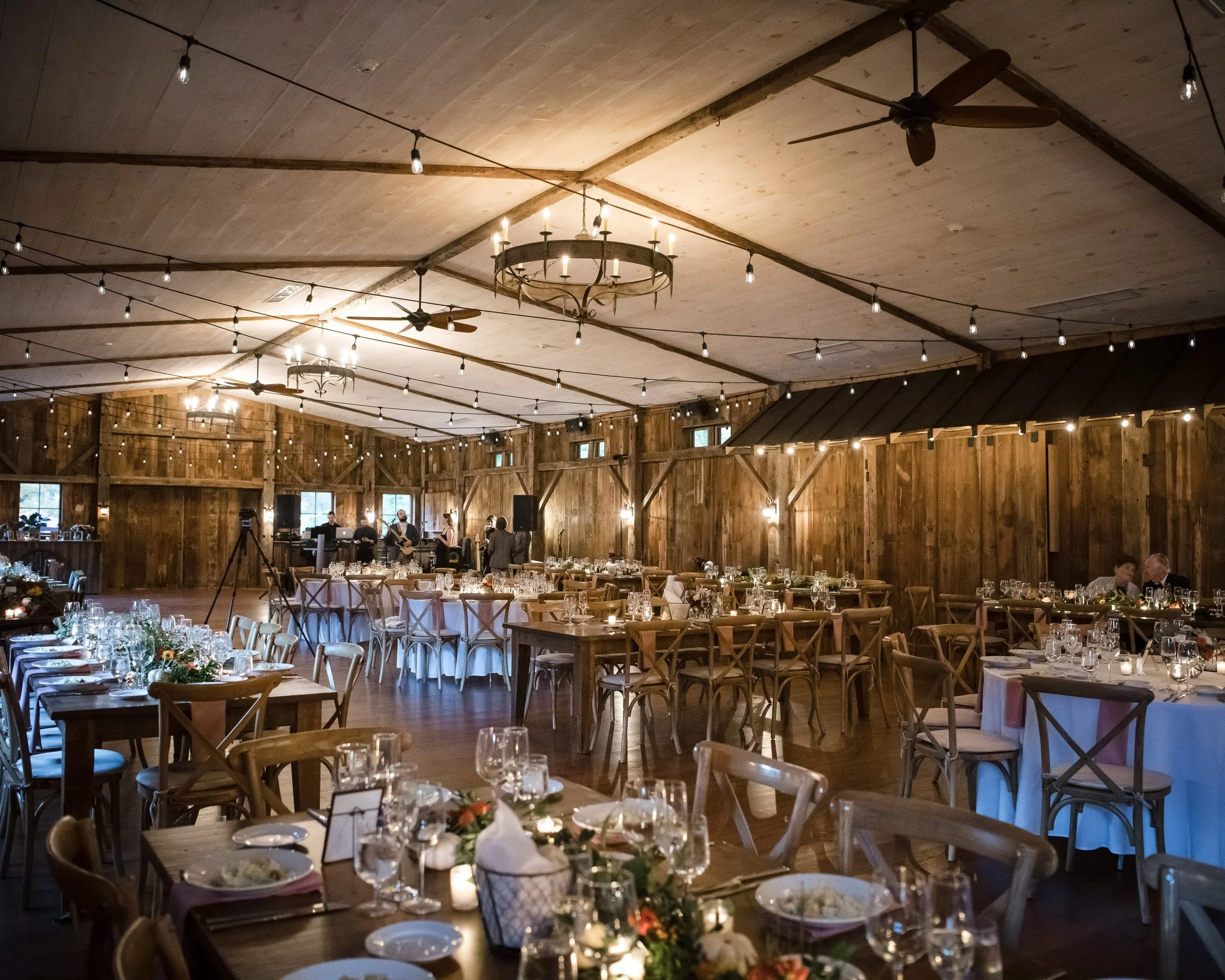
At The Preston Barn, an on site wedding and event coordinator helps couples understand how their celebration will work across the property. The venue also provides a guided rehearsal and coordinates important venue details from the planning process through the event.
Couples should still discuss responsibilities with both the venue and their outside planner. A clear division of duties prevents duplicated work and makes sure no important task is overlooked.
Which Option Is Right for Your Wedding?
A day-of coordinator may be the right choice when you have the time and confidence to manage most of the planning yourself. You should feel comfortable contacting vendors, tracking payments, reviewing contracts, building the guest experience, and making design decisions.
A full-service planner may be more helpful when you have a demanding schedule, are planning from another city, need help controlling the budget, or want professional guidance from the beginning. It can also be a practical choice when the wedding involves several venues, extensive decor, complex transportation, a large vendor team, or multiple events.
Your personality matters too. Some couples enjoy spreadsheets, design meetings, and vendor research. Others want to explain their vision and have an experienced professional turn it into a workable plan.
Neither option is automatically better. The right choice is the one that gives you enough support without paying for services you do not need.
Which Planner Works Best for a Full Wedding Weekend?
A full wedding weekend involves more moving parts than a single ceremony and reception. Guests may arrive on Friday, vendors may need advance setup time, the wedding party may attend a rehearsal, and close family members may stay nearby throughout the celebration.
A full-service planner can be helpful when one professional needs to connect all those details from the beginning. The planner can coordinate accommodations, transportation, vendors, welcome events, the wedding day, and the final send-off.
A day-of coordinator can still be a strong option when the couple has already developed the weekend plan and the venue provides a clear event structure. The coordinator can take the completed plans, communicate them to everyone involved, and manage the final execution.
The Preston Barn supports a full wedding weekend in the Hudson Valley, giving couples and their vendors property access for setup before the wedding day. On site accommodations, a guided rehearsal, in-house catering, ceremony support, and multiple gathering spaces also help keep the weekend connected.
Conclusion
The difference between a day-of coordinator and a full-service planner comes down to timing, responsibility, and the amount of guidance you need.
A day-of coordinator takes plans that are largely complete and helps execute them. A full-service planner helps build those plans from the beginning and remains involved throughout the process. The venue coordinator manages the property-specific details that help both professionals do their work.
When choosing a Hudson Valley wedding venue, ask how the venue communicates with planners, when vendors can access the property, what services are included, and who will oversee each part of the celebration.
Couples considering a full wedding weekend at The Preston Barn can review the venue’s pricing guide or contact the team to learn more about planning support, accommodations, catering, and property access.
FAQs
Is a day-of coordinator the same as a venue coordinator?
No. A day-of coordinator generally works for the couple and manages the overall wedding timeline. A venue coordinator focuses on the property, venue staff, and services provided by the venue.
Do we need a wedding planner if the venue has an on site coordinator?
It depends on how much planning help you need. An on site coordinator can guide venue-specific details, while an outside planner may provide broader support with budgeting, design, vendor selection, contracts, and guest logistics.
When does a day-of coordinator begin working?
Most day-of coordinators become involved before the wedding date. This gives them time to review the timeline, communicate with vendors, understand the venue, and prepare for the rehearsal and celebration.
Can a full-service planner work with the venue’s preferred vendors?
Yes. Full-service planners regularly work with venue-recommended professionals. They can also help evaluate whether each vendor fits the couple’s budget, vision, and specific event requirements.
Should our planner tour the wedding venue before the event?
A venue visit is highly recommended. It allows the planner to understand access points, ceremony locations, reception flow, parking, vendor setup areas, rain plans, and other property-specific logistics.