
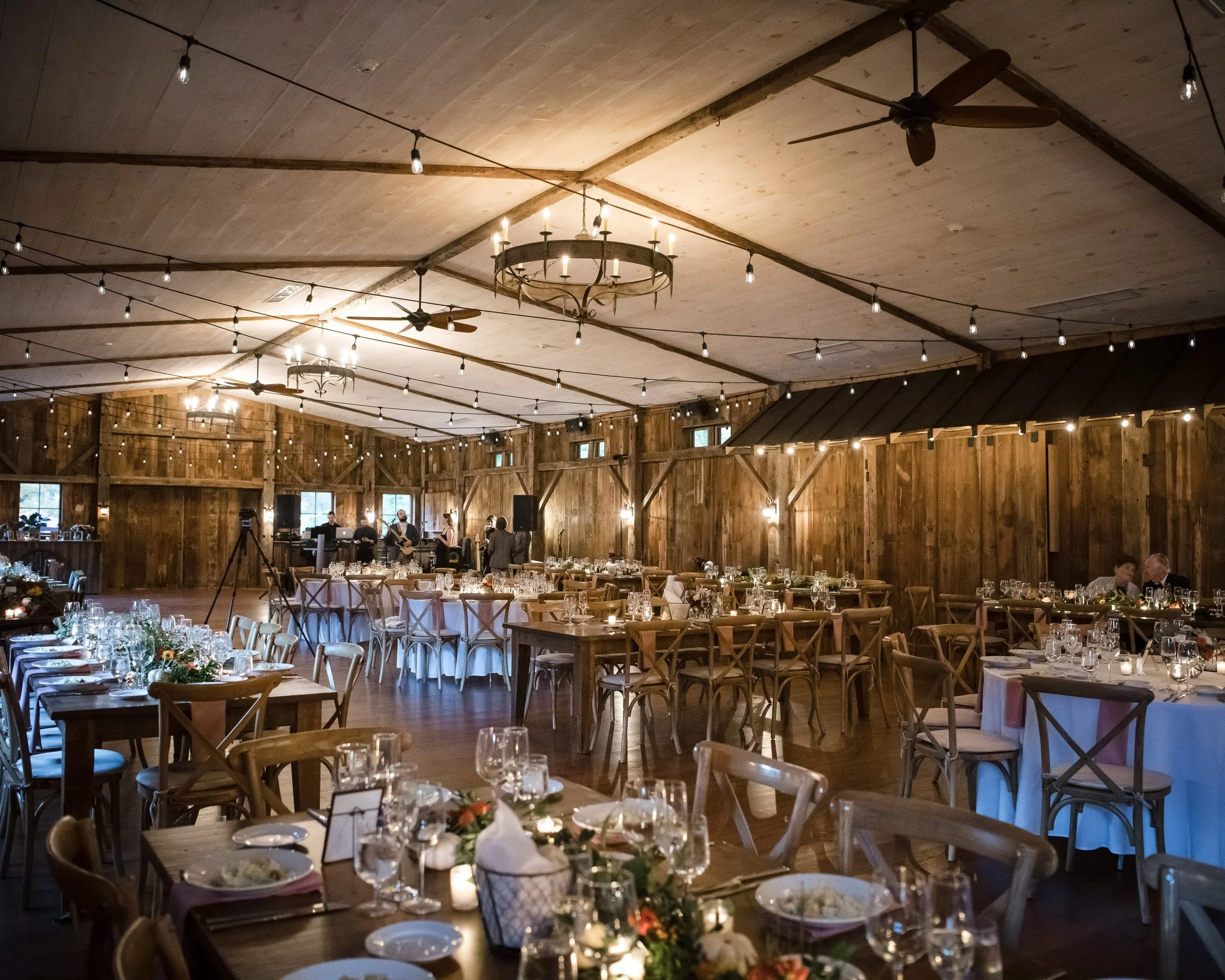
A year-end company event can recognize employees, strengthen relationships, celebrate progress, or give remote teams time to connect in person. The format you choose will shape the atmosphere, schedule, budget, and guest experience. A company dinner and a holiday party can both work well, but each supports different goals. Understanding those differences makes it easier to plan an event that feels appropriate for your team.
How to Choose Between a Company Dinner and a Holiday Party
The best format depends on what the company wants the event to accomplish. A company dinner usually centers on conversation, recognition, and a shared meal. A holiday party often places more emphasis on movement, entertainment, and informal interaction.
Before selecting a venue or menu, define the purpose of the gathering. The clearer the objective is, the easier it becomes to make decisions about timing, layout, food service, activities, and guest expectations.
When a Company Dinner Works Best
A company dinner is often the better choice when the event should feel focused, organized, and conversational. Guests remain seated for much of the evening, which makes it easier to present awards, recognize milestones, thank employees, or host important clients.
This format can work well for leadership teams, small departments, client appreciation events, company anniversaries, and professional year-end gatherings. A seated meal naturally creates a beginning, middle, and end, giving planners a clear structure for speeches and presentations.
However, the schedule should not feel too rigid. Employees still need time to eat, talk, and enjoy the evening. Too many speeches or announcements can make the event feel like another meeting.
When a Holiday Party Works Best
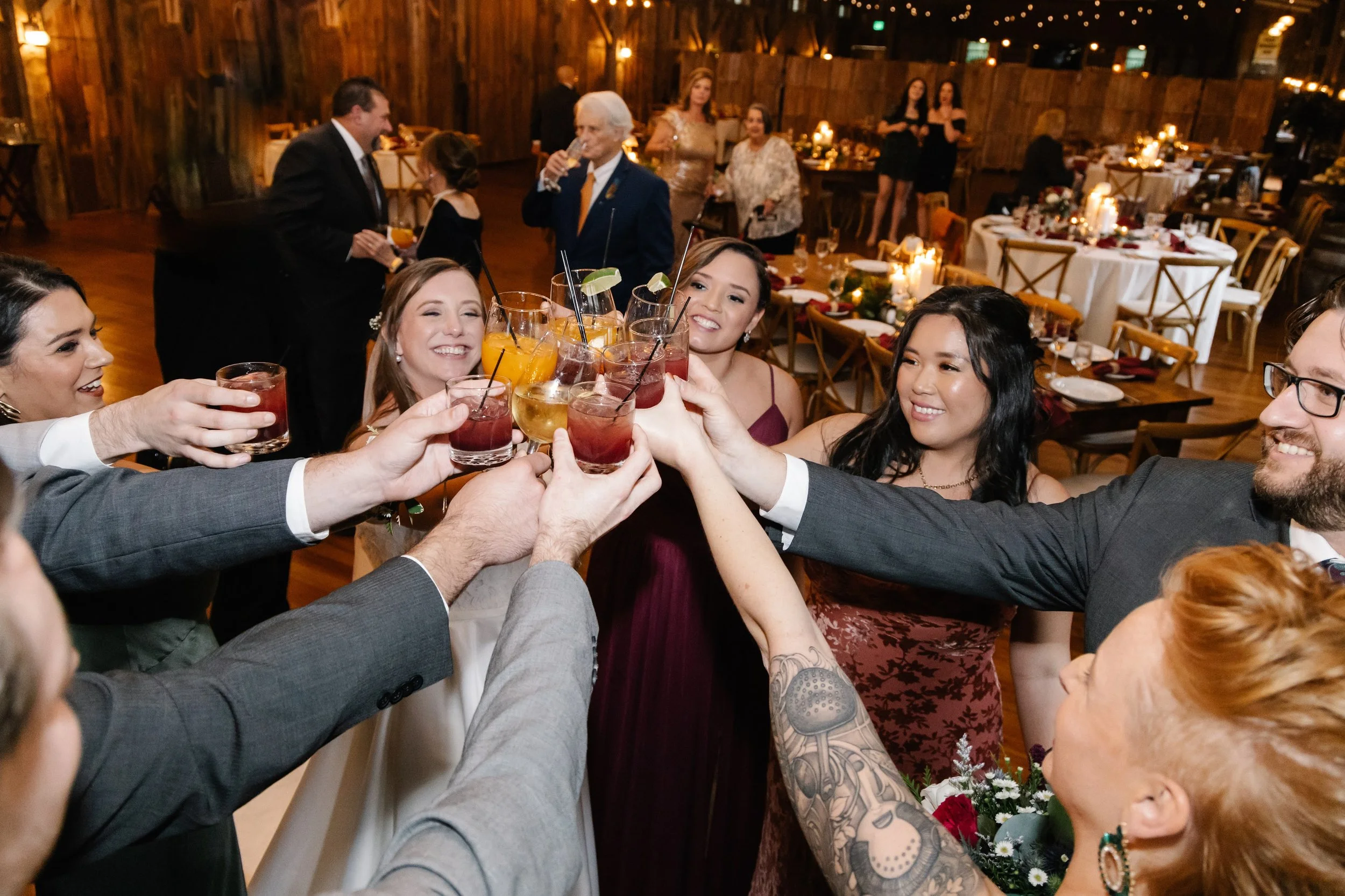
A holiday party is usually more social and flexible. It may include cocktails, a buffet, food stations, music, games, dancing, a photo area, or informal awards. Guests are free to move around and spend time with colleagues outside their regular teams.
This format may be a better fit for larger organizations or companies with employees who do not often work together in person. It creates more opportunities for casual conversation and cross-department interaction.
Holiday parties still need structure, even when they feel informal. The layout should support food service, entertainment, bar access, seating, and guest movement. Planners should also decide when any company remarks or awards will take place.
Match the Format to the Event Goal
A company dinner may work better when the goal is to recognize achievements, build client relationships, introduce leadership, or create meaningful conversation within a smaller group.
A holiday party may be more suitable when the goal is to improve morale, encourage informal interaction, or celebrate with a larger number of employees.
The planning team should also decide how the event should feel. A relaxed gathering requires a different menu and layout than an elegant dinner. An energetic party needs more open space and entertainment planning, while an appreciation dinner may need comfortable seating and a quieter environment.
Consider the Workplace Culture
A formal dinner may feel appropriate for one organization but uncomfortable for another. Similarly, a loud party with dancing may appeal to some employees while making others feel excluded.
Consider the age range of the team, work schedules, travel distance, accessibility, and whether partners or families are invited. Companies with remote employees should also think about transportation and overnight accommodations.
Inclusive planning is important. Not every employee celebrates the same holidays, drinks alcohol, or wants to participate in group activities. Neutral seasonal language, nonalcoholic options, varied menu choices, and optional entertainment can make the event more welcoming.
A reasonable start and end time can also improve attendance. Employees may be less interested in an event that requires a long commute after a full workday.
Think About Food Service and Event Flow
A plated dinner provides a structured experience, but speeches and awards must be coordinated around each course. A buffet gives guests more flexibility, though planners need a system for releasing tables and preventing long lines. Food stations can encourage movement but require enough space to avoid crowding.
The planner, venue team, caterer, and entertainment provider should all work from the same timeline. Clear coordination prevents speeches from starting while guests are still being served or entertainment from interrupting the meal.
Choosing a Corporate Event Format at The Preston Barn
The Preston Barn can support company dinners, holiday parties, business gatherings, and other private events in Dover Plains. The barn combines climate control, indoor restrooms, historic architecture, audiovisual equipment, in house catering, and indoor and outdoor event areas.
Old Drovers Inn provides all food and beverages for events in the barn. Service options include buffet, family style, and plated meals. The culinary team can also customize menus to address dietary needs and preferences.
The venue team can help coordinate the room layout, food service, audiovisual setup, event schedule, and use of the property. Companies should discuss their guest count, event goals, presentation needs, and preferred atmosphere before selecting the final format.
Conclusion
A company dinner works well when the event should feel focused, conversational, and structured. A holiday party is often a stronger option when the goal is social interaction, entertainment, and a more relaxed atmosphere. A hybrid event can combine the benefits of both.
The best choice depends on the company’s objective, workplace culture, guest needs, budget, and preferred experience. Once those priorities are clear, the venue, menu, layout, and schedule become easier to plan.
Companies considering a Hudson Valley gathering can review the corporate event options at The Preston Barn or contact the venue team to discuss the most appropriate format for their group.
FAQs
Is a company dinner more formal than a holiday party?
Usually, but not always. A company dinner generally follows a more structured schedule, while a holiday party allows more movement and informal interaction.
Which format is better for a small team?
A company dinner often works well for smaller teams because it encourages shared conversation. A relaxed holiday party can also be suitable when the group prefers activities and social time.
Can a holiday party include a seated dinner?
Yes. Many companies combine a cocktail hour with a seated meal, followed by awards, music, or informal activities.