
Somewhere in the first month of planning, almost every couple hits the same crossroads: should we hire a planner, or can we handle this ourselves? The honest answer isn't a simple yes or no. A planner can be the difference between an enjoyable process and a stressful one, but plenty of couples plan beautiful weddings without one. What matters is understanding what a planner actually does, then matching that against your own timeline, budget, and personality.
You likely need an event planner if you have a demanding schedule, a large or complex celebration, a destination or multi-day event, or you simply want the process handled for you. You may not need one if your event is smaller, you enjoy planning, you have plenty of lead time, or your venue already includes coordination. The right answer depends on your time, budget, and how hands-on you want to be.
What Does an Event Planner Actually Do?
The word "planner" covers a lot of ground, which is part of the confusion. At the fullest level, a planner is involved from the start: managing your budget, booking vendors, shaping the design, tracking contracts, building the timeline, and running the event on the day. At lighter levels, they help with only part of that, or step in near the end to execute a plan you built yourself. A planner isn't one fixed thing; it's a spectrum of support, and knowing where you fall on it is the key to deciding whether you need one.
Signs You Probably Do Need a Planner
Some situations make professional help genuinely worth it:
Your schedule is already full. Planning is effectively a part-time job for several months. If you don't have those hours, a planner buys them back.
The event is large or complex. High guest counts, multiple locations, or lots of moving vendors add up fast, and a planner keeps them from colliding.
It's a destination or multi-day event. Coordinating from a distance multiplies the logistics.
You want to be a guest at your own event. If being present matters more than fielding questions all day, that alone can justify the cost.
Signs You Might Not Need One
Just as often, couples find they can do without:
Your event is smaller or simpler. An intimate gathering with a short vendor list is manageable on your own.
You enjoy planning. If you love the research and the details, hiring it out can feel like giving away the fun part.
You have plenty of lead time. A long runway lets you tackle decisions gradually without pressure.
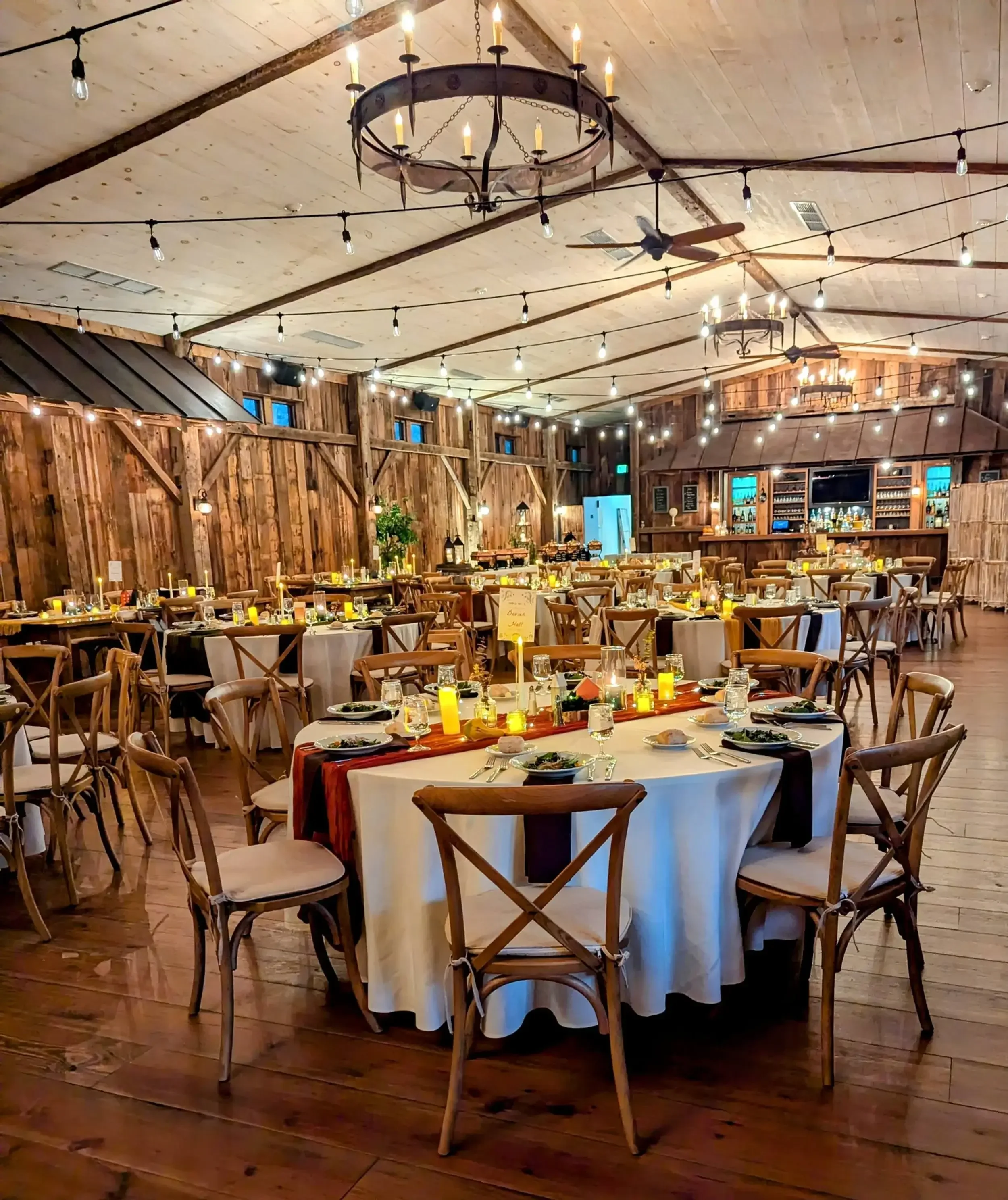
Your venue includes coordination. Many venues, The Preston Barn in Dover Plains, NY among them, provide an on-site coordinator who handles day-of logistics and property-specific details, covering much of what you'd otherwise hire out. Always ask what's included before assuming you need a planner.
The Different Levels of Planning Help
If you decide you want support, "a planner" can mean very different commitments and price points:
Full-service planner: involved from the beginning, handles nearly everything. The most support, and the highest cost.
Partial planning: you do some of the legwork; the planner guides key decisions and steps in where needed.
Day-of or month-of coordinator: joins in the final weeks to execute your plan and run the event day. More affordable, and enough for many couples.
Venue coordinator: provided by some venues to manage property-specific logistics and the flow of the day, often covering more than couples expect.
Matching the level of help to what you actually need is where couples save money and stress.
How to Decide: A Few Honest Questions
Before you commit either way, answer these:
How many hours a week can we realistically give to planning?
How complex are our event, guest count, locations, design, and timeline?
What's our budget, and where does professional help rank against other priorities?
Do we find planning energizing or draining?
What does our venue already include?
Your answers usually point one way. Time-poor, complex event planning drains you? Hire help. Have time, enjoy it, venue offers coordination? You may be fine on your own.
Conclusion
A planner-friendly venue gives couples and vendors clear access, defined policies, useful equipment, and an accurate explanation of what is included. These details help planners build a realistic timeline and prevent couples from paying twice for the same service.
The Preston Barn provides advanced setup access, flexible outside vendor options with insurance requirements, in-house catering, included tables and chairs, ceremony support, technical equipment, floor plan assistance, and an on-site coordinator for property-specific details.
Before choosing any Hudson Valley wedding venue, compare more than its appearance and capacity. Ask how the venue works with planners and vendors from setup through cleanup. The answers will help you understand how much outside support, equipment, transportation, and rental coordination your wedding may require.
Couples considering a wedding weekend at The Preston Barn can review the pricing guide or contact the venue team for information about property access, catering, lodging, included items, and available add-ons.
FAQs
What's the difference between a planner and a coordinator?
A full-service planner works with you throughout the process, handling design, budget, and vendors. A coordinator steps in during the final weeks to execute the plan you've made and run the event day.
Is hiring a planner worth the cost?
For busy couples or complex, multi-day events, a planner often pays for itself in saved hours and reduced stress. For smaller events, or when a venue includes coordination, you may not need one.
When should I hire a planner if I want one?
For full-service planning, hire early, ideally soon after you set the date. Day-of or month-of coordinators can be booked later, but the best ones fill up months in advance.